The History of Borsdane Wood
Borsdane Wood is an ancient woodland with a long and varied history, shaped by natural change, land ownership, industry and, more recently, community involvement.
This section explores how the woodland developed over time, from its earliest recorded references through to its role today as a valued local green space.
Early origins of Borsdane Wood
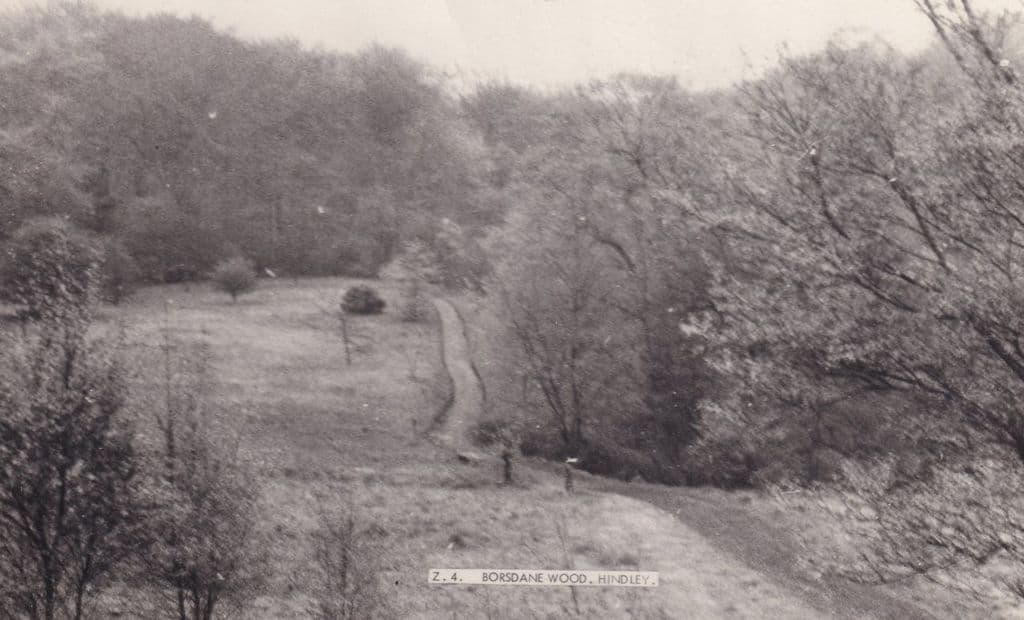
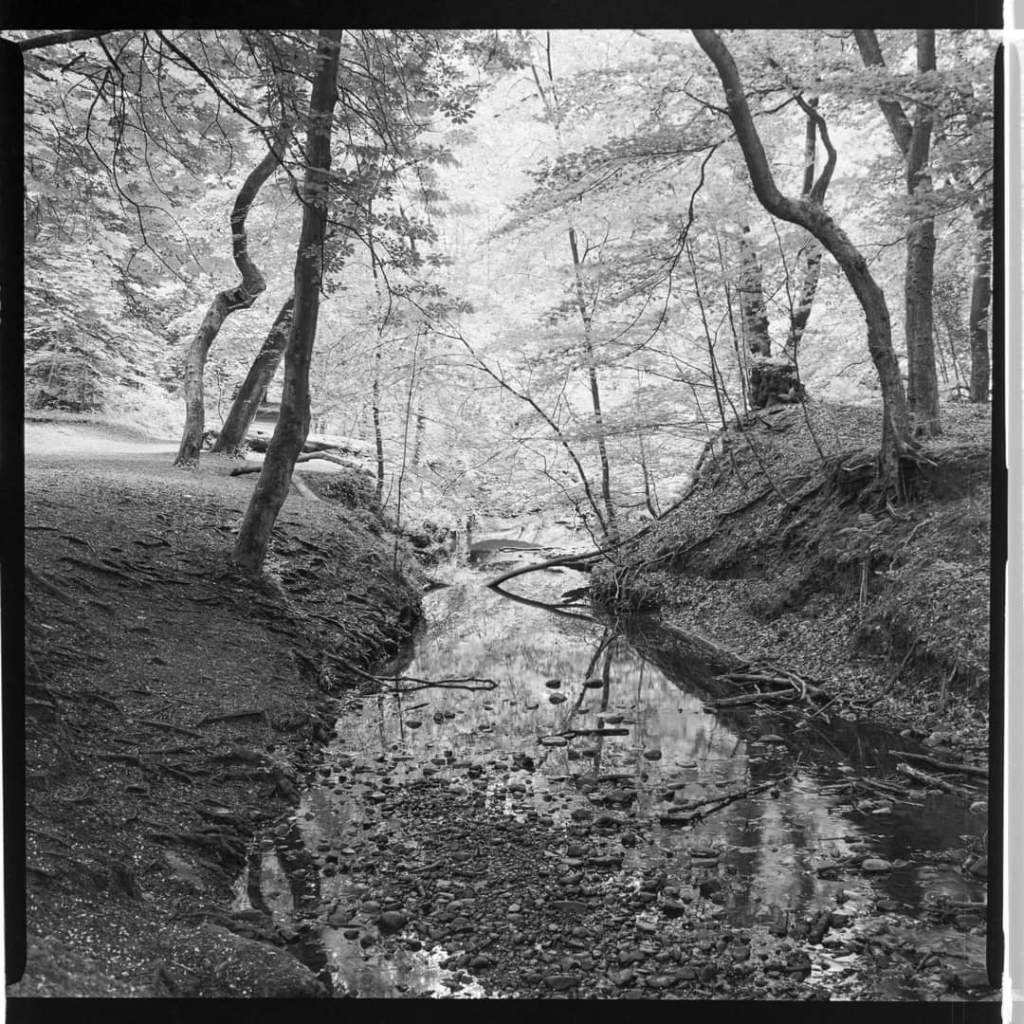
Borsdane Wood has its origins in ancient woodland. It is believed that the area has been continuously wooded since before 1600 and is home to a wide range of native tree species.
The earliest reference to the name Borsdane appears in 1215 as ‘Ballesdenebroc’ .The name is from Old English, meaning a deep, narrow wooded valley with a stream belonging to Boell.
The landscape itself reflects this history, with steep-sided valleys and the presence of Borsdane Brook running through the woodland.
Medieval and post-Norman period
Before the Norman Conquest of 1066, the area now known as Hindley included land referred to as ‘Ballesdenebroc’.
After the conquest, the land formed part of the Barony of Makerfield. Ownership passed through several families over the centuries, including the Langton family of Low Hindley.
Historical records show disputes over land rights and woodland use during this period, highlighting the importance of the area as a working landscape rather than simply a natural one.
Borsdane Wood in the industrial period
By the nineteenth century, Borsdane Wood and the surrounding area had become closely linked to local industry.
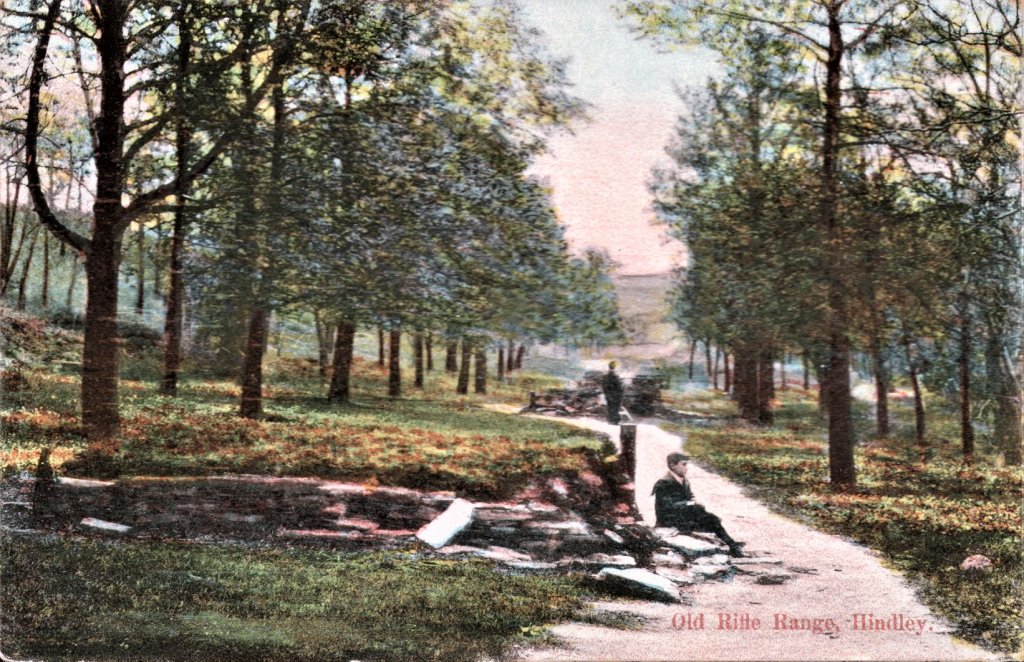
A rifle range was laid out within the woodland in the 19th century and was used by the Lancashire Rifle Volunteers (the Amberswood Rangers). The prize competitions, open to civilians, was very popular.
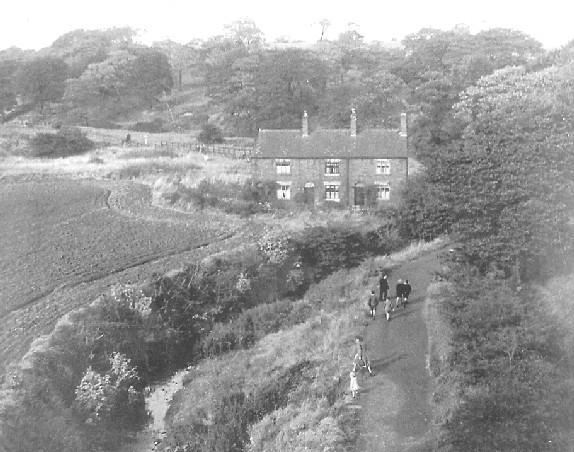
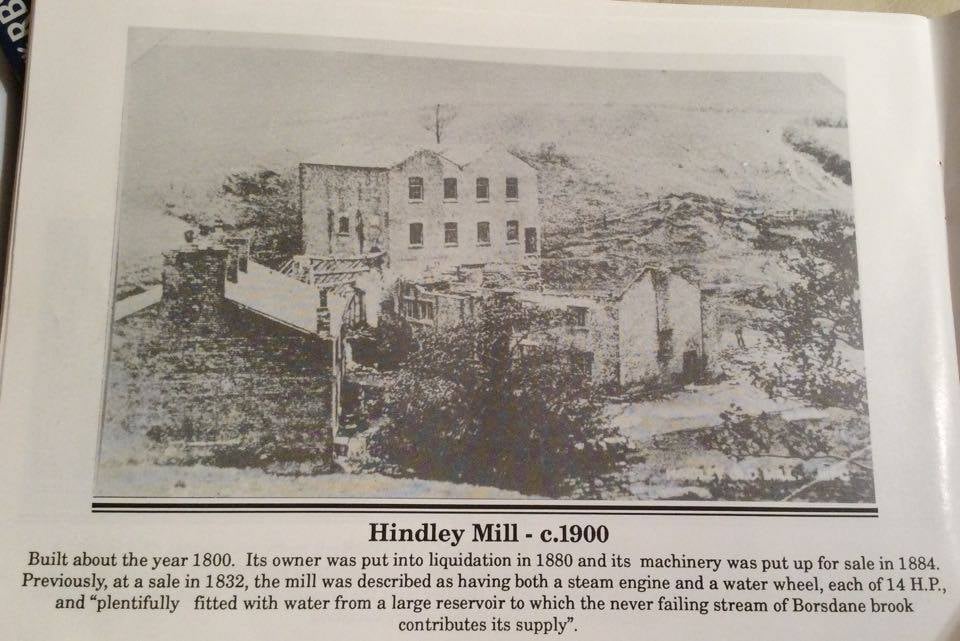
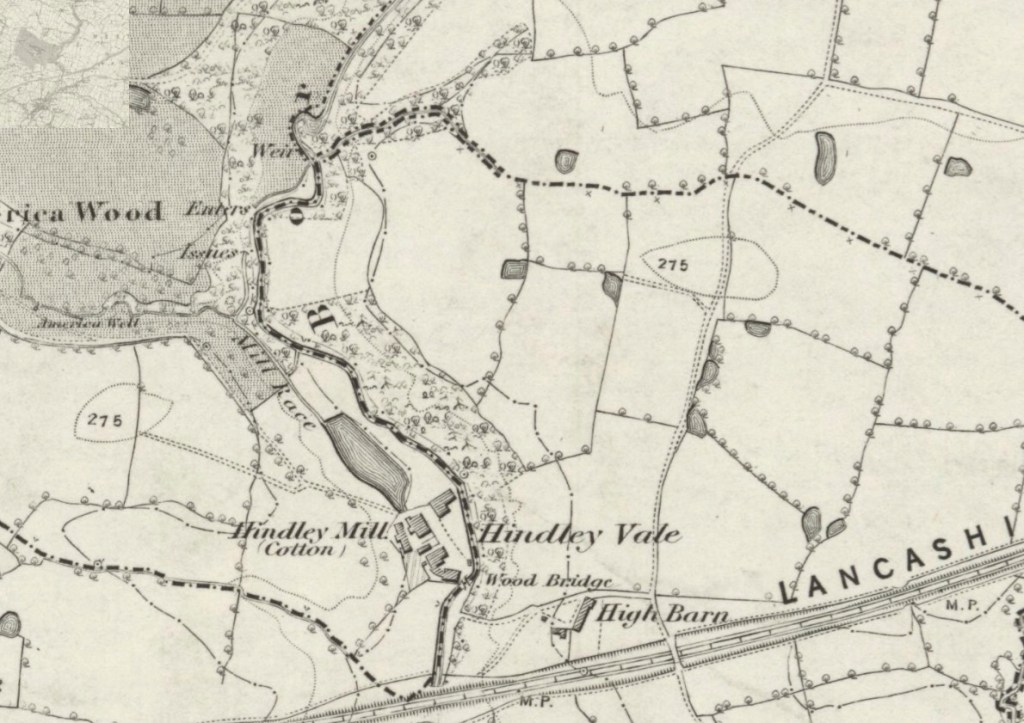
Mills were also established at both ends of the wood. Hindley Mill (a corn milll, then a cotton mill) was located close to the entrance to the woodland and played an important role in the local economy. The mill was powered by water from Borsdane Brook and its tributaries. At the Aspull end was Dicconson Mill, a much more successful cotton mill.
Below: Examples of how the landscape and industry shaped Borsdane Wood during the 19th century.
Twentieth century change and conservation
During the twentieth century, industrial activity declined and the woodland gradually became valued more for recreation and nature.
From 1931 to 1974 the woods were managed by the Aspull, Hindley and Westhoughton Borsdane Wood Joint Committee who appointed the Woodkeepers.
In 1974 the woods became part of Wigan Borough Council.
In 1986, Borsdane Wood became Wigan’s first local nature reserve. This marked a major turning point in how the woodland was viewed and managed.
From this point onward, the emphasis shifted towards protecting wildlife, maintaining paths and improving access for the local community.
Borsdane Wood today
Today, Borsdane Wood is a much-loved green space used by walkers, families, schools and local groups.
It remains an important habitat for wildlife and an important place for people to connect with nature close to where they live.
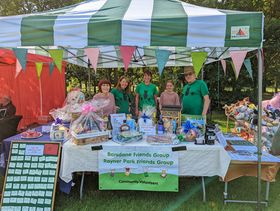
The woodland continues to be cared for through partnership working and the efforts of volunteers.
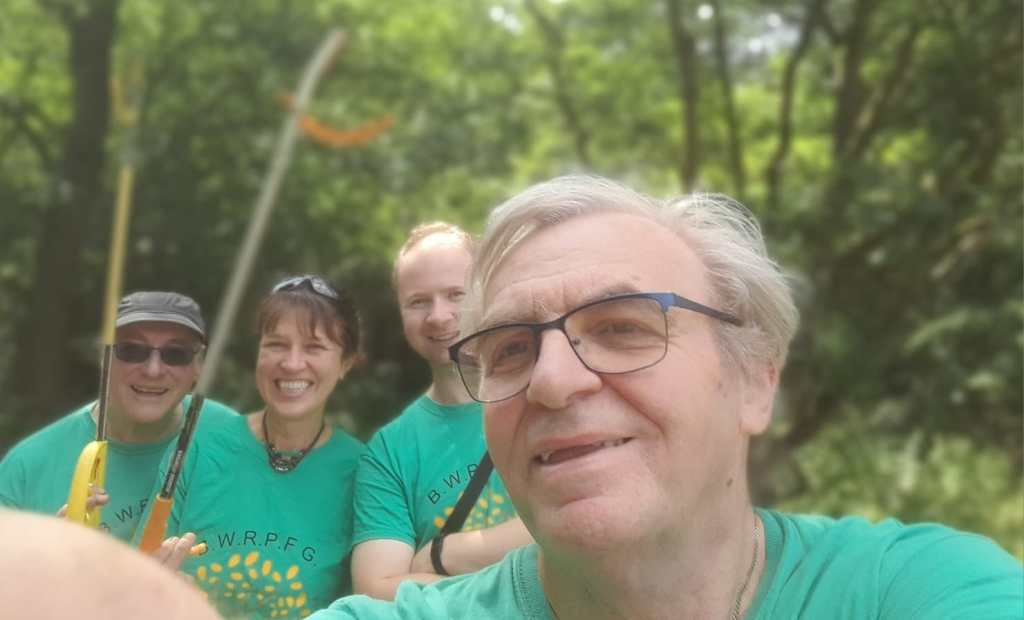
Volunteers help look after the woodland and the park 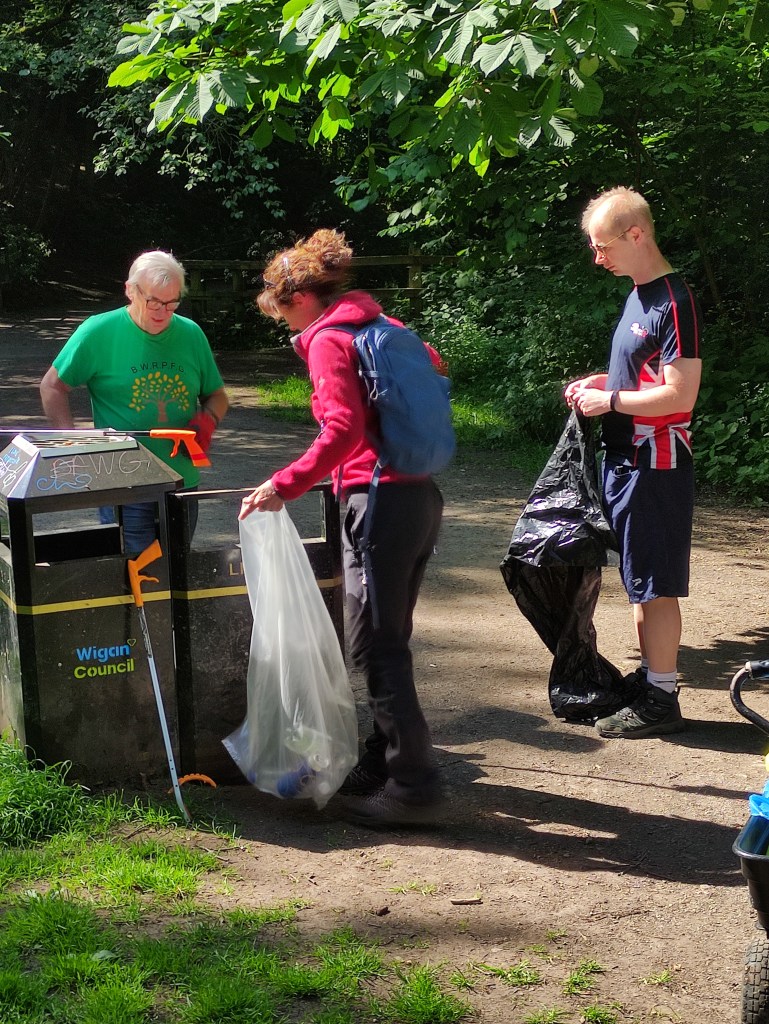
Volunteers help look after the woodland and the park 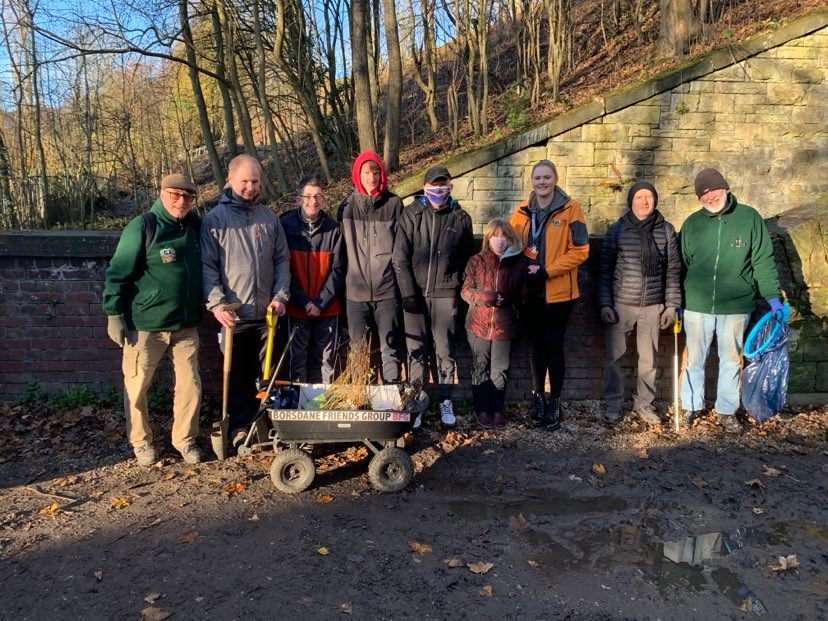
Volunteers help look after the woodland and the park 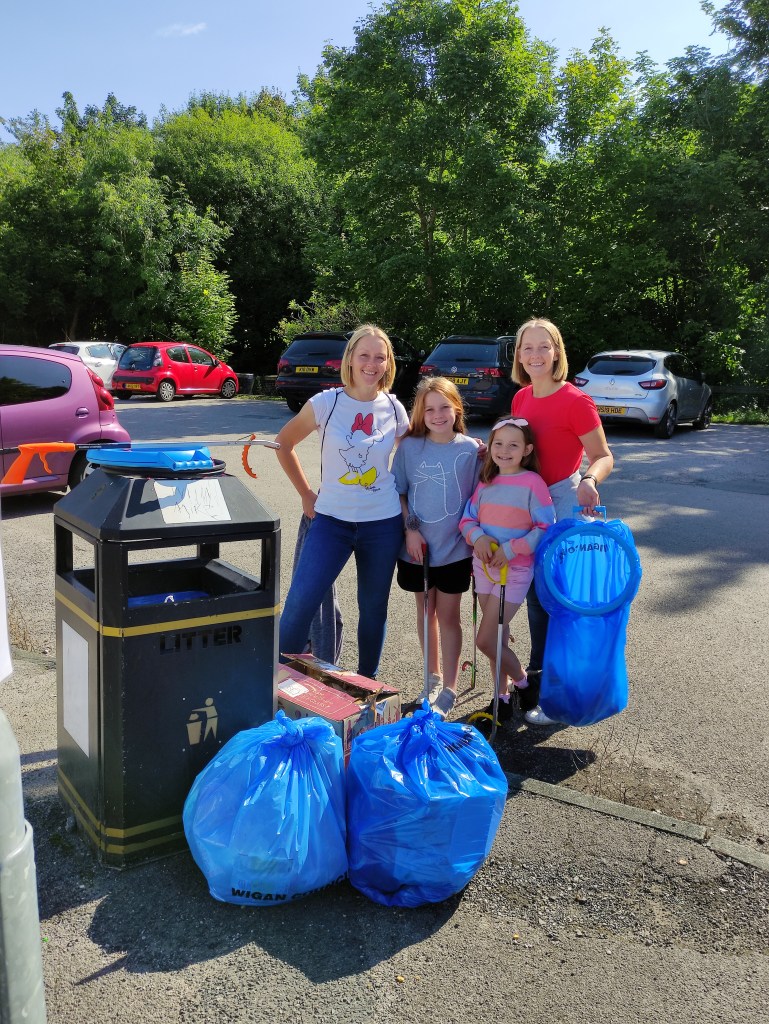
Volunteers help look after the woodland and the park 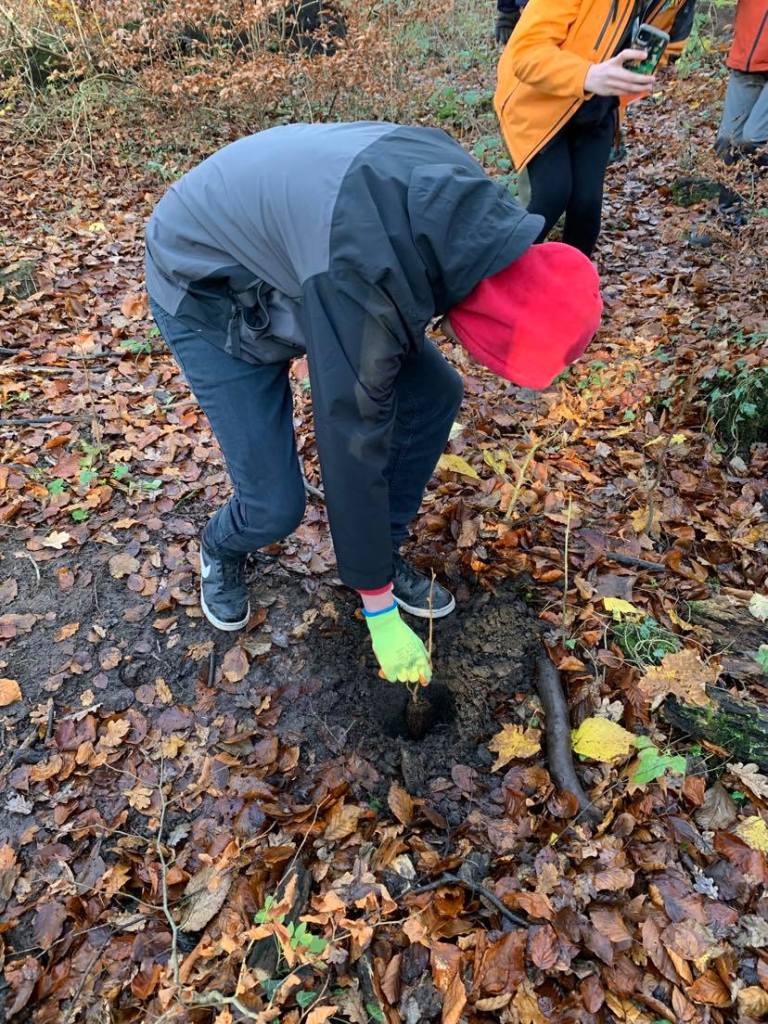
Volunteers help look after the woodland and the park 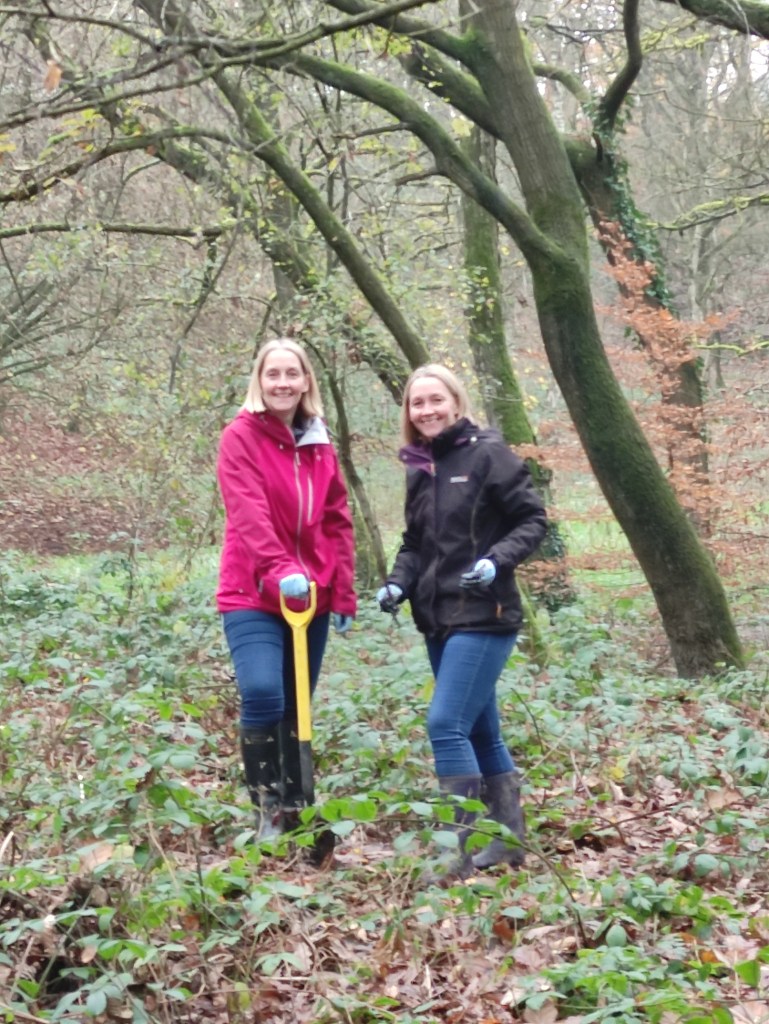
Volunteers help look after the woodland and the park 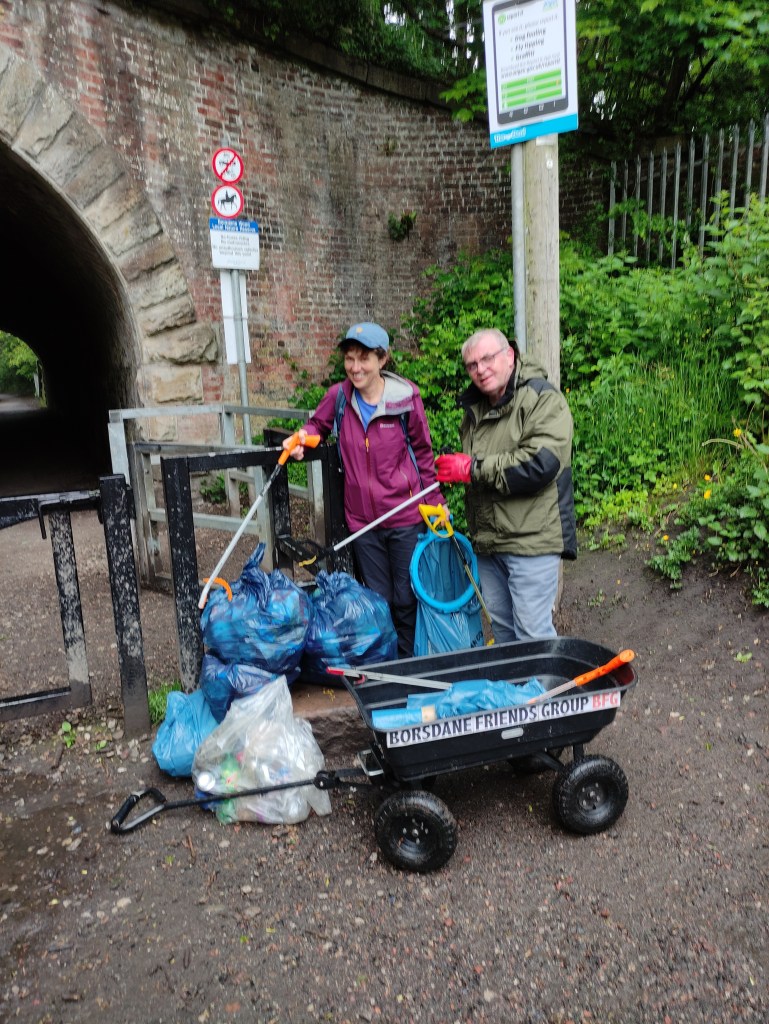
Volunteers help look after the woodland and the park 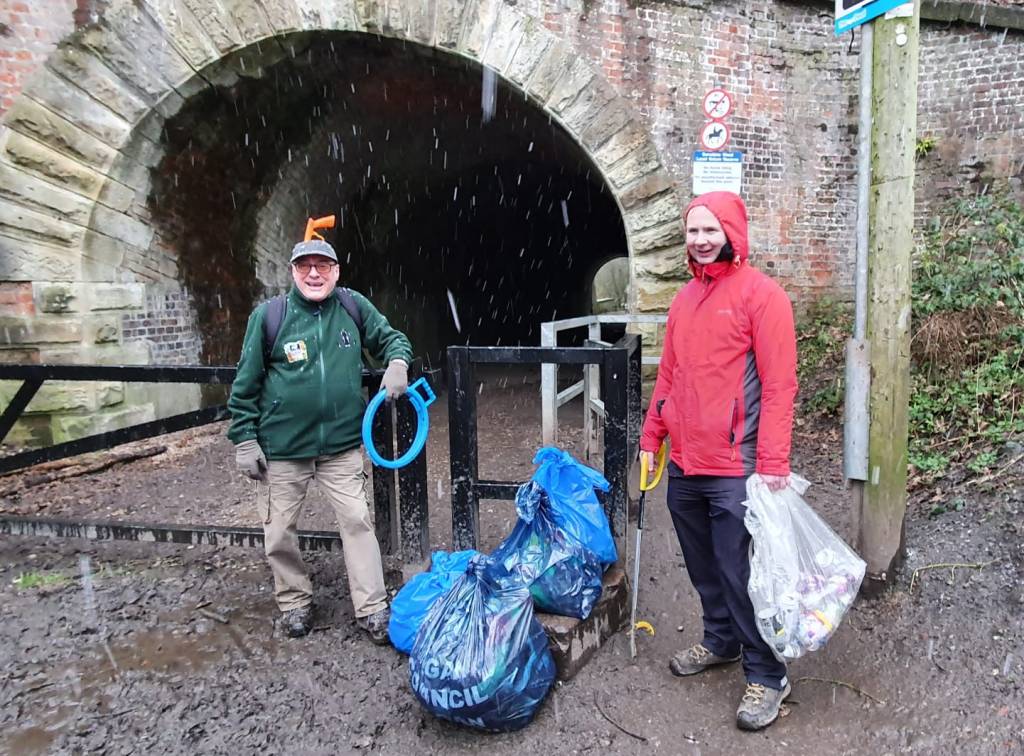
Volunteers help look after the woodland and the parkThe volunteers help look after the woodland and the park 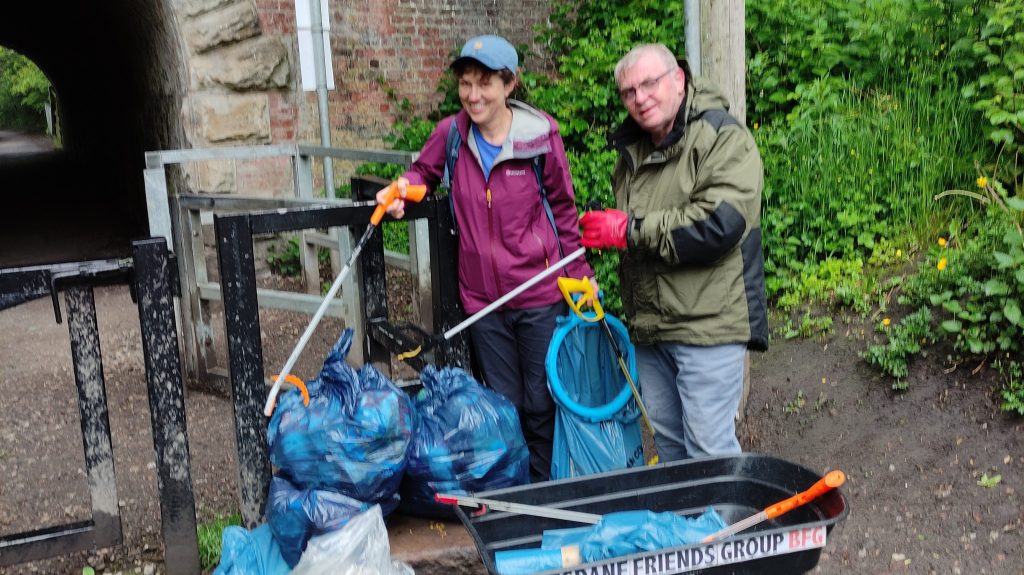
Volunteers help look after the woodland and the park
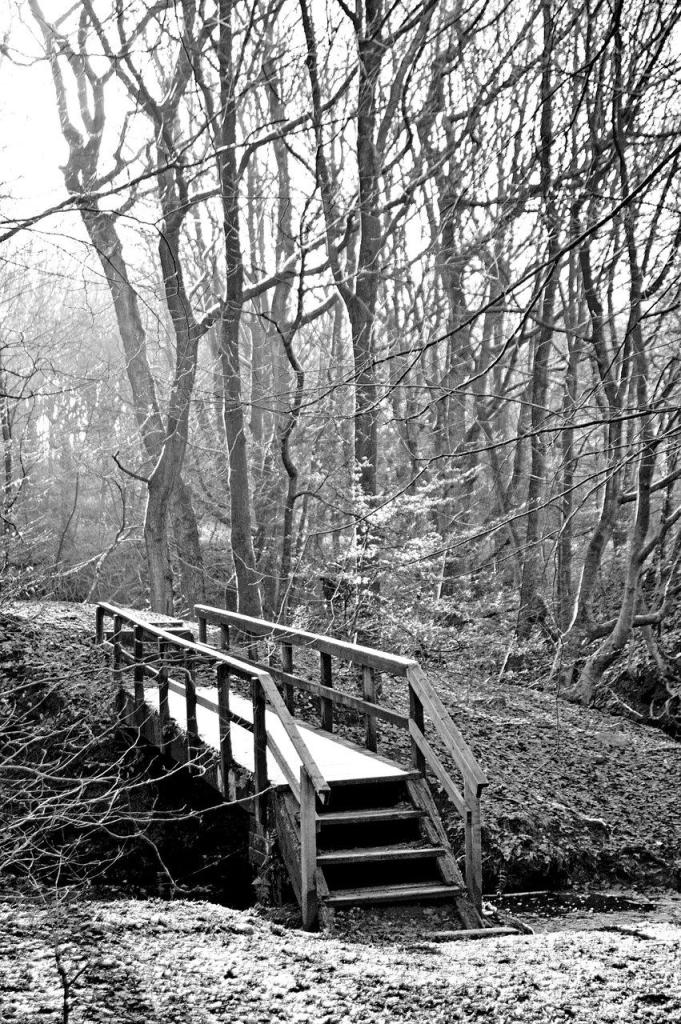
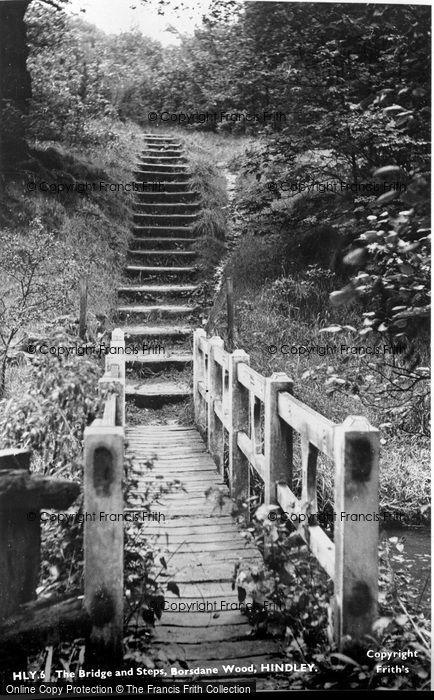
Today, footpaths criss cross Borsdane Wood, providing plenty of public access
The History of Rayner Park
Origins of Rayner Park
Rayner Park lies alongside Borsdane Wood and forms an important part of the local green corridor. It was originally called Borsdane Valley or Danes Valley.
It was named Rayner Park after John Edward Rayner, a Victorian Coal magnate who owned several mines and much land in the area. In July, 1920 his widowed wife, Ann, gave the land to Hindley UDC as Rayner Park and Recreation Ground.
Its position beside Borsdane Brook has always influenced how the land has been used and managed.
Development as a public park
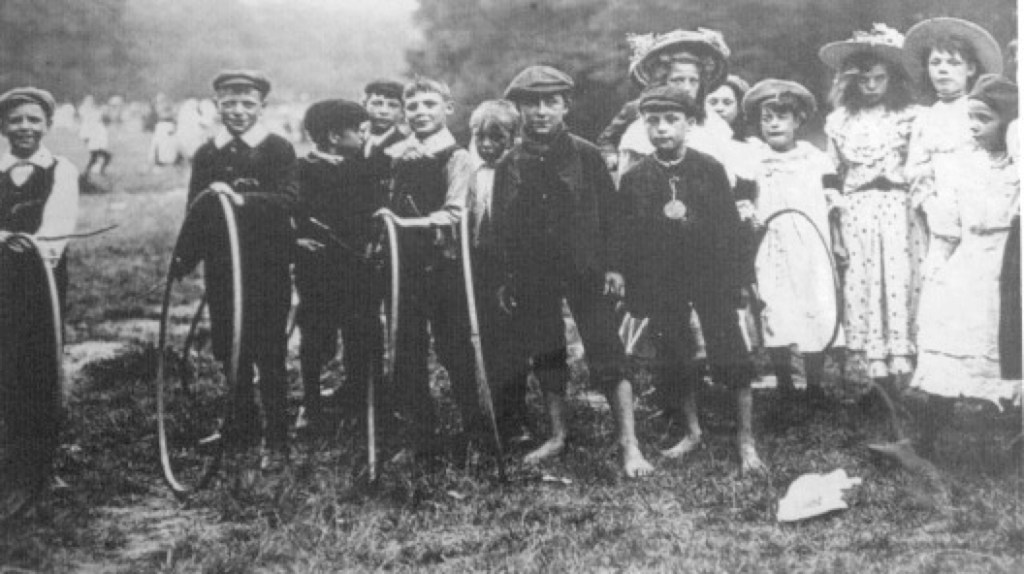
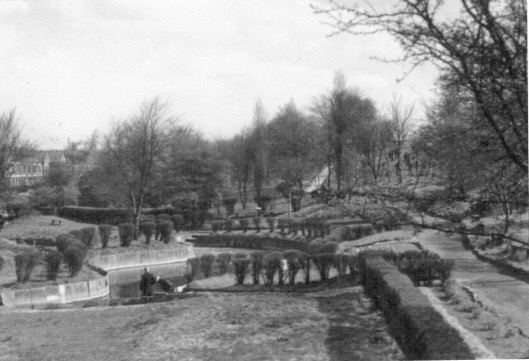
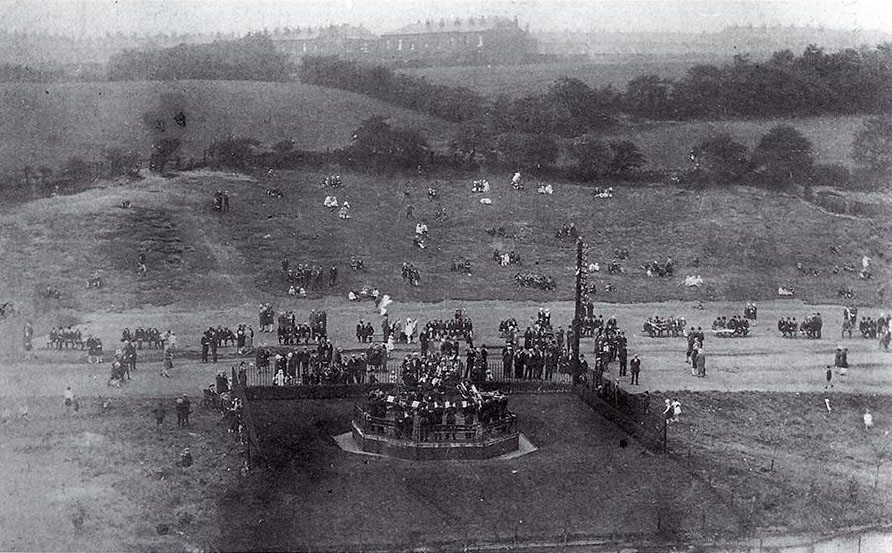
The Hindley UDC planned to develop the park as a community area with walks, bridges and a paddling pool, as well as flower beds, recreation area and a bandstand.
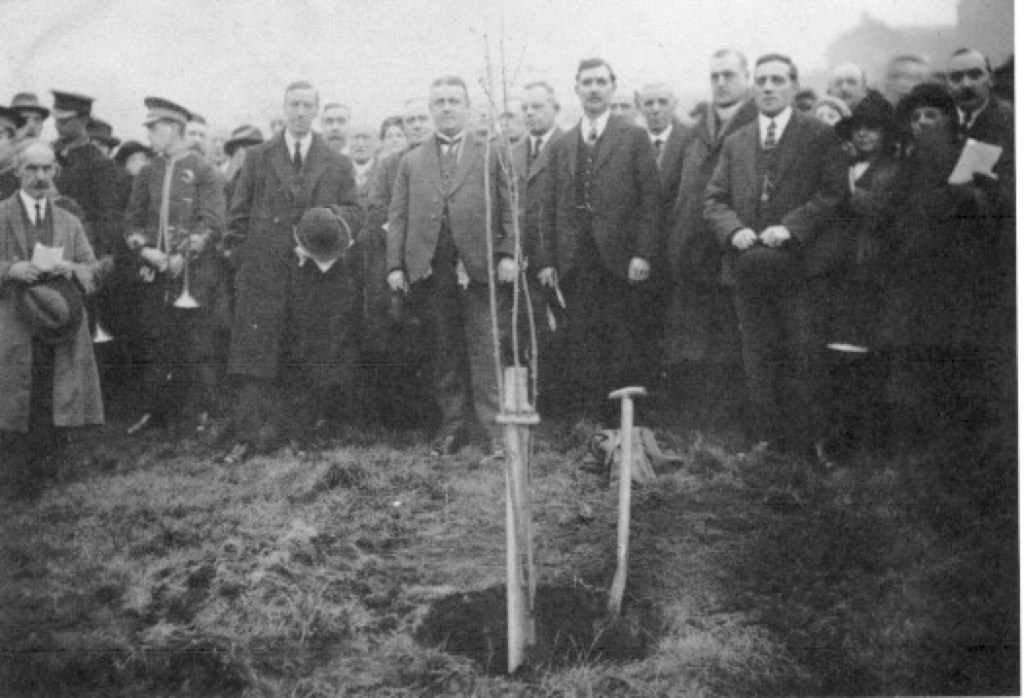
In 1924 a public tree planting ceremony was held by the council and 900 trees eventually planted.
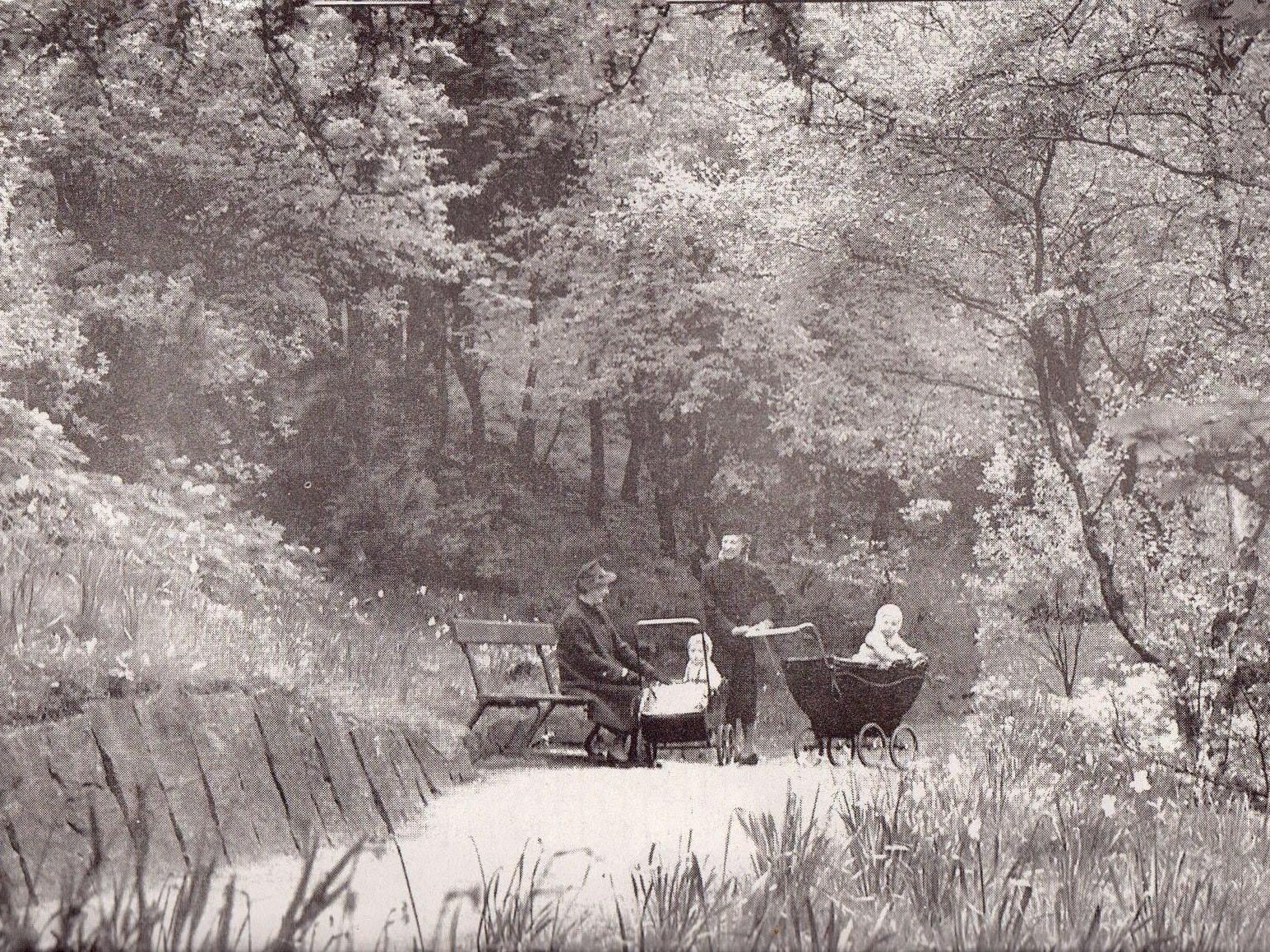
The bandstand (which never got a roof) was used regularly with brass band concerts, and people having picnics on the grass bank.
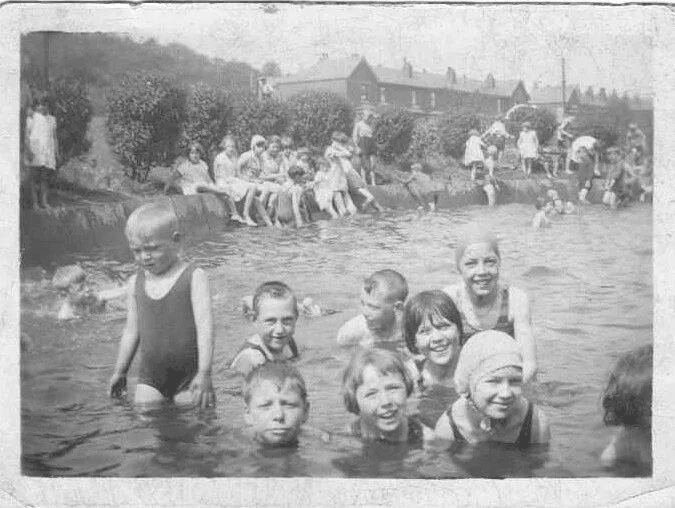
The paddling pool, fed by water from the brook via sluice gates, was very popular from the 1920’s until the early 1960’s.
The playground was moved from the start of Danes Avenue to its current site in the mid 1960’s.
In 1974 the park, as with Borsdane Wood, became part of Wigan Borough Council.
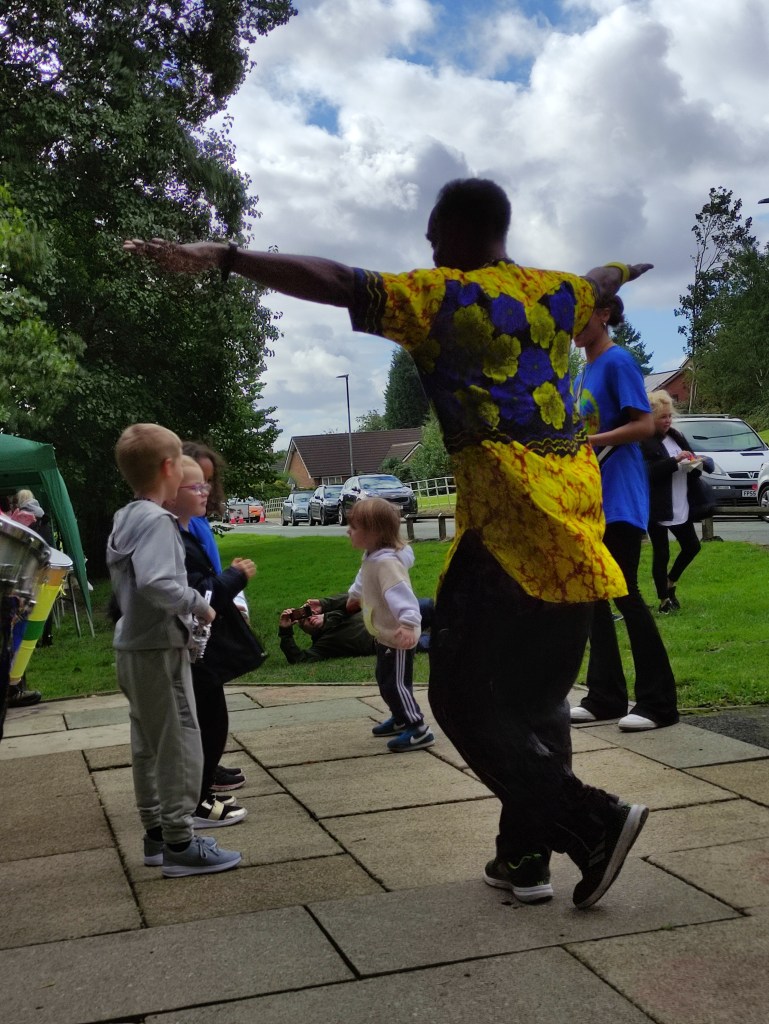
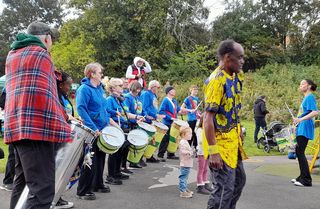
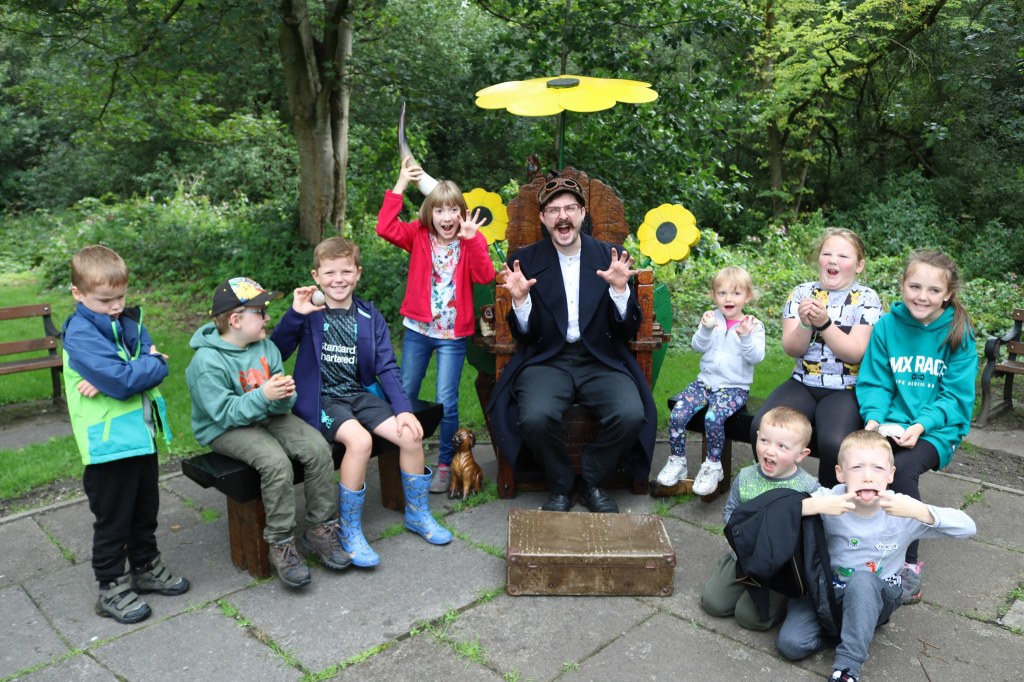
The park continues to be a focal point for informal recreation, family outings and organised community events.
Changes during the twentieth century
As the surrounding area changed, Rayner Park continued to evolve to meet the needs of the local community.
Improvements have been made to paths, boundaries and play facilities, helping the park remain accessible and welcoming.
The park also became more closely linked to the woodland through walking routes and environmental projects.
Rayner Park today
Today, Rayner Park provides a valuable open space next to Borsdane Wood, offering a quieter and more open setting for relaxation and play.
Together, the park and woodland form an important green resource for Hindley and the wider area.
They are enjoyed by residents of all ages and continue to be supported through community involvement and partnership working.
 Borsdane Wood and Rayner Park Friends Group