The History of Borsdane Wood
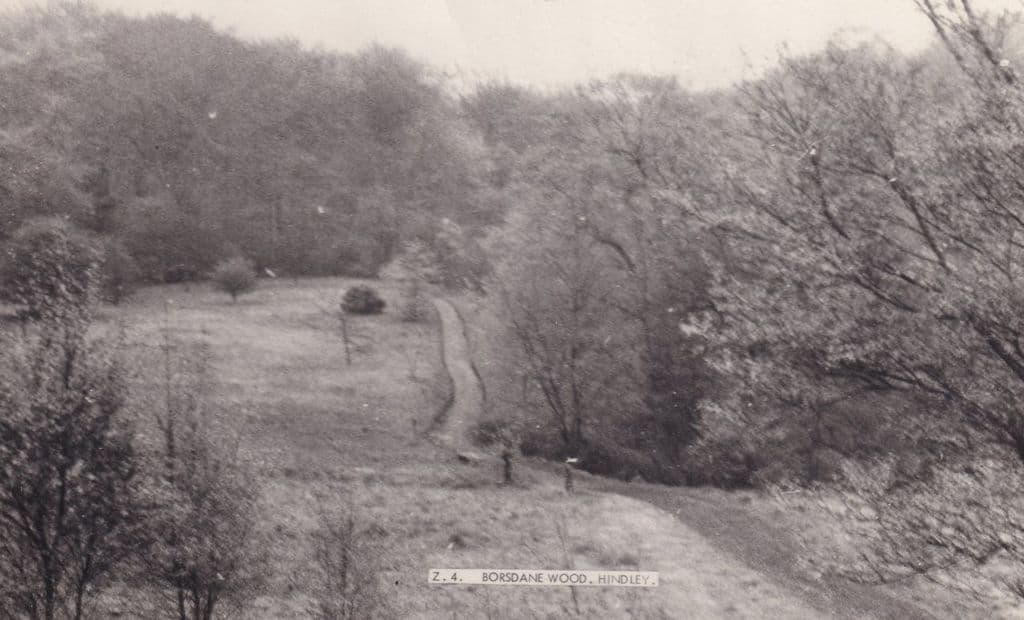
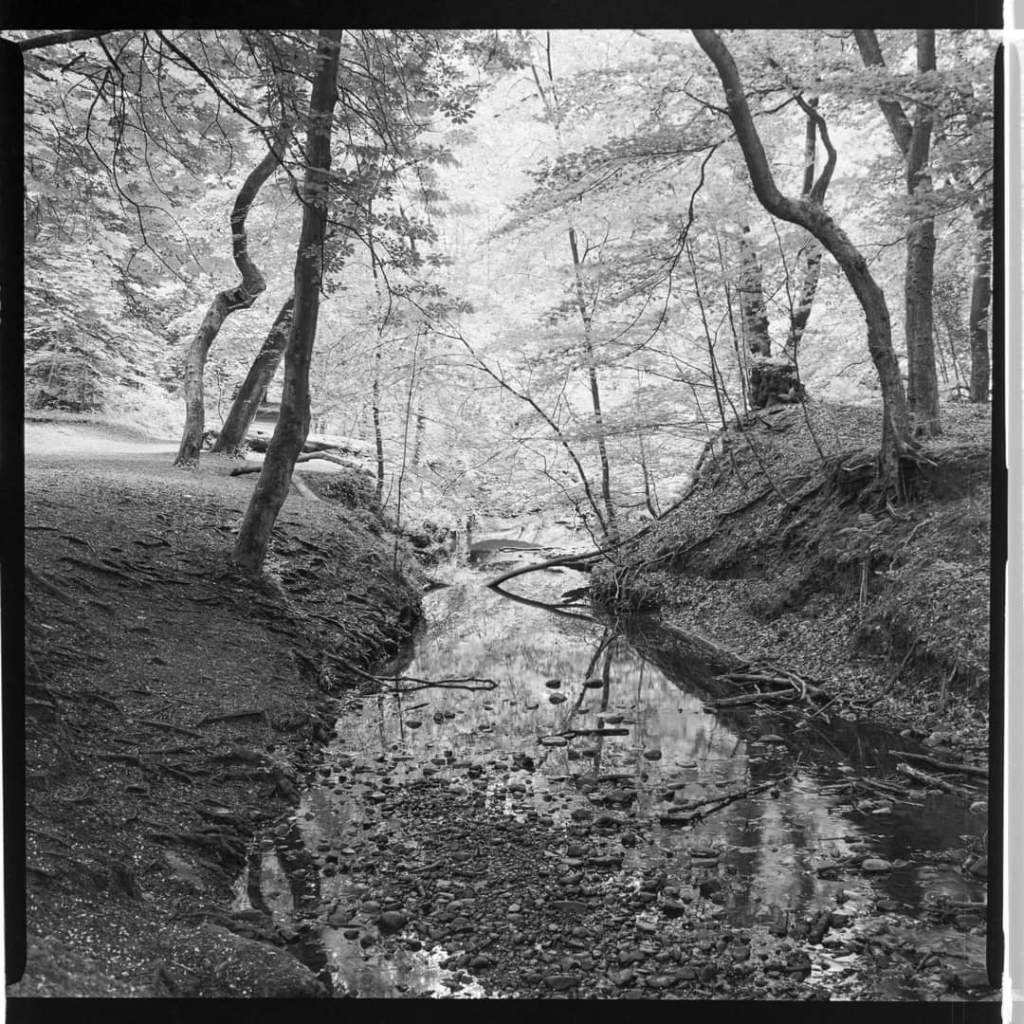
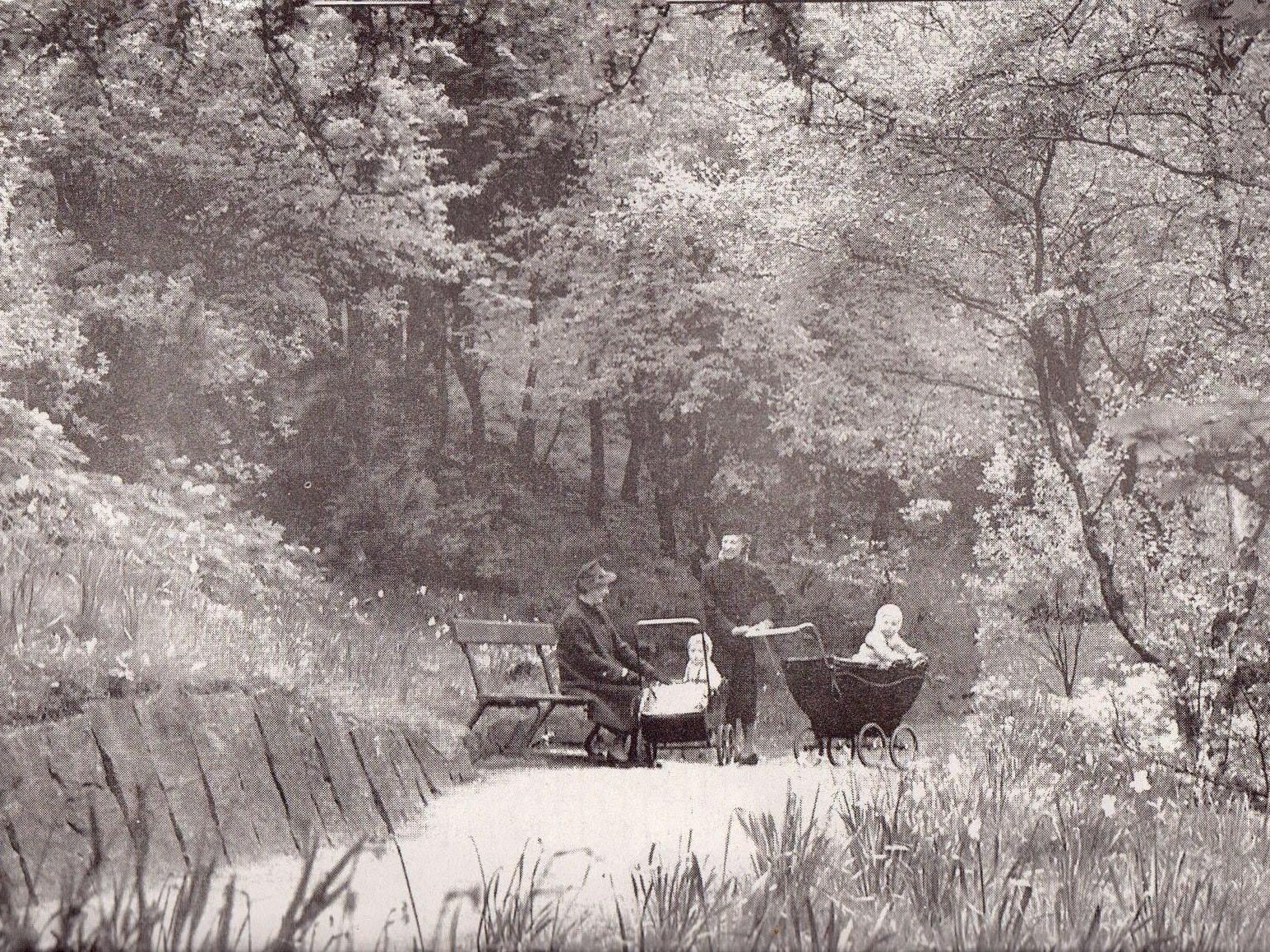
The wood had its origin in glacial times and it once formed part of the great Lancashire forest which extended as far south as Warrington. You might wonder how Borsdane Wood got its name and assume it derived from boar’s den as no doubt in Saxon times it was inhabited by bands of pigs kept by serfs, but in reality the name Borsdane has nothing to do with boars. The earliest reference is about 1215 when Borsdane is mentioned as Ballesdenebroc. The first part is old English for a personal name, Boell, and ‘dene’ is from the old English ‘denu’ which is a deep, narrow, wooded valley with a stream, ‘broc’.
Before the Norman conquest of 1066, Hindley, which contained ‘Ballesdenebroc’ was one of the 15 ‘berwiks’ (‘the Celtic word for ‘place’) of the Royal Manor of Newton. it continued to be part of the Barony of Makerfield under the Banestic family. After the death of the last of the family in 1330 all the lands passed to Robert Langton of West Langton through marriage. He gave the Lordship of Hindley, which included Borsdane Wood, to his youngest son, also called Robert Langton, whose descendants became known as the Langtons of Low Hindley.
In 1528 there was a dispute between Robert Langton of Low Hindley and Hugh Hindley of Aspull over the rights to the deer in Borsdane Wood. This dispute went to the Assizes, where the verdict went in favour of Robert Langton.
In 1652 Abraham Langton was charged with treason as a ‘papal delinquent’ and had his estates, which included the wood, sold by Parliament.
Nothing more is known of Borsdane Wood for some time, but it is believed to have become ‘common land’, until becoming part of Hindley Hall Estate, which in the 18th century was acquired by the Leigh family of Whitley Hall, near Wigan.
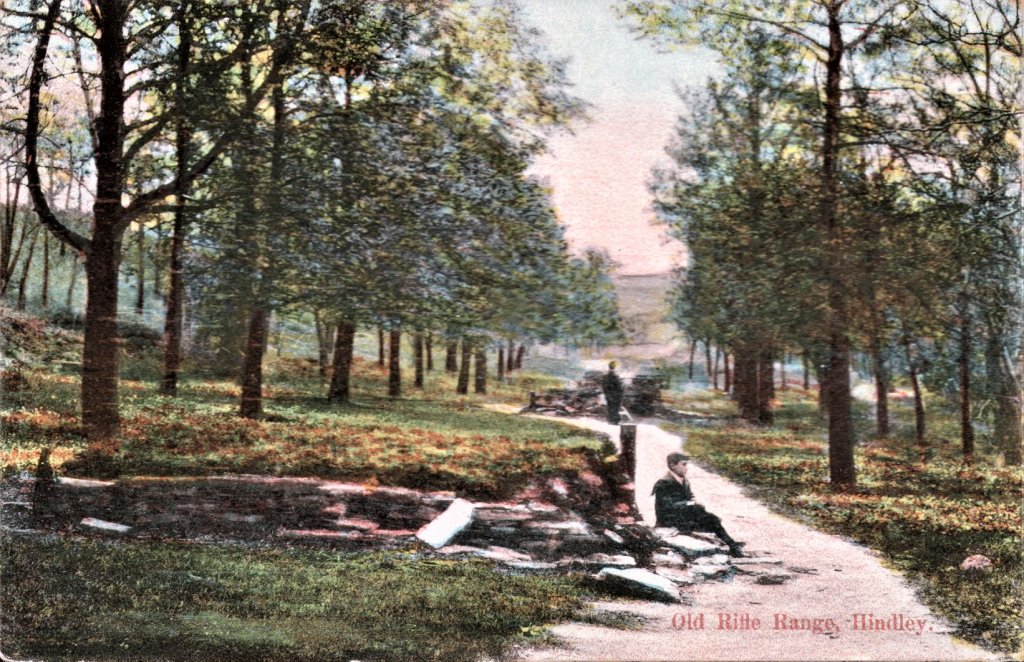
In the 19th century a rifle range was laid out in the wood and is traceable today. The local corps of the Lancashire Rifle Volunteers (the 82nd), known as the Amberswood Rangers were established in 1861 and used the range for prize competitions which were very popular in Hindley.
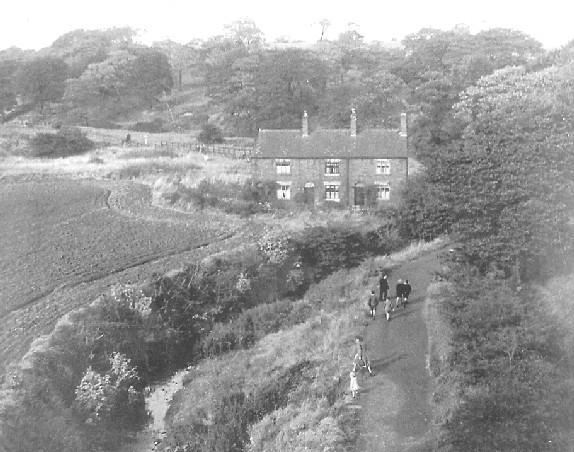
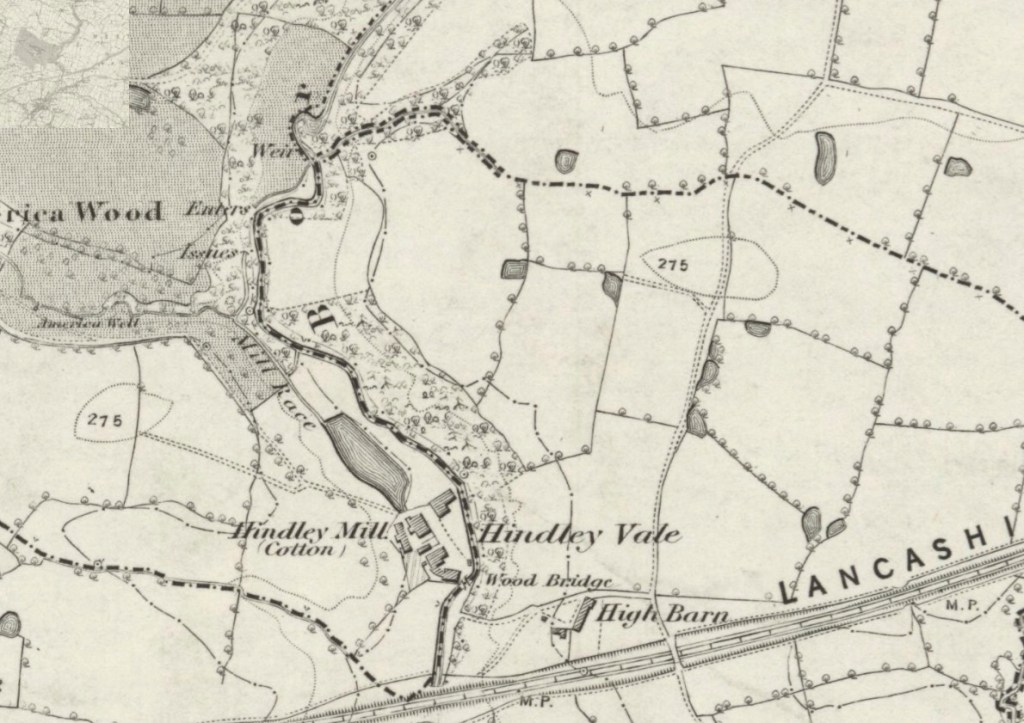
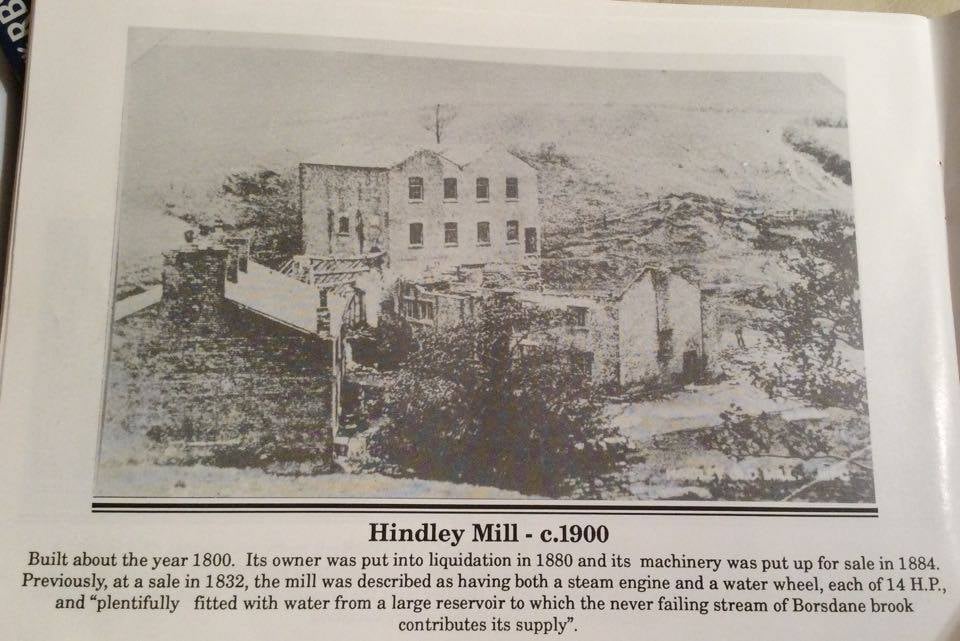
Also in the 19th century there were mills at both ends of the wood. Hindley Mill was situated at the Hindley entrance to the woods. It was a small, steam powered corn mill which was then converted to a cotton mill, probably so it could exploit the easy supply of local coal and female labour. The mill had a waterwheel powered by water via the mill race from the flag bottom weir on the main Borsdane Brook, and supplemented by two tributary streams. It was also close to the Leeds-Liverpool canal for distributing the cotton. Funds were raised for the building of the mill by public subscription in 1875. The £45,000 needed was offerd as 9000 shares valued at £5 each. However the venture was not a success and the mill only worked for 5 years. By the 1930’s all that remained of the mill were three cottages. Many local people remembered the cottages and told stories about Mr and Mrs Carter who sold drinks and toffees, like creamy whirls, from one of the cottages. The mill at the Aspull end was called Dicconson Mill, and this was also a cotton mill from around 1790 until the 1940’s and was finally demolished around 2005.
Coal, as for most of the borough, also figured in the history of the woods. Around 1926 an enthusiastic local mining prospector, Mr Bartly Davy, and his sons, dug some excavations at the Hindley end of the wood only a few yards from the brook. Mysteriously though after a few days the digging stopped and the holes were filled in.
In 1931 MR R D Leigh-Pemberton gave 27 acres of woodland, and with a smaller gift of land from Mr Wilcox of Hindley, along with other land acquired by the three Councils of Hindley, Aspull, and Westhoughton the 65 acres of Borsdane Wood was finally established.
In June 1931 it was decided that the wood should be controlled and maintained for ever as a public amenity by a joint Committee of Hindley, Aspull and Westhoughton Urban District Councils. The three Councils financed this with a penny levy on the rates.
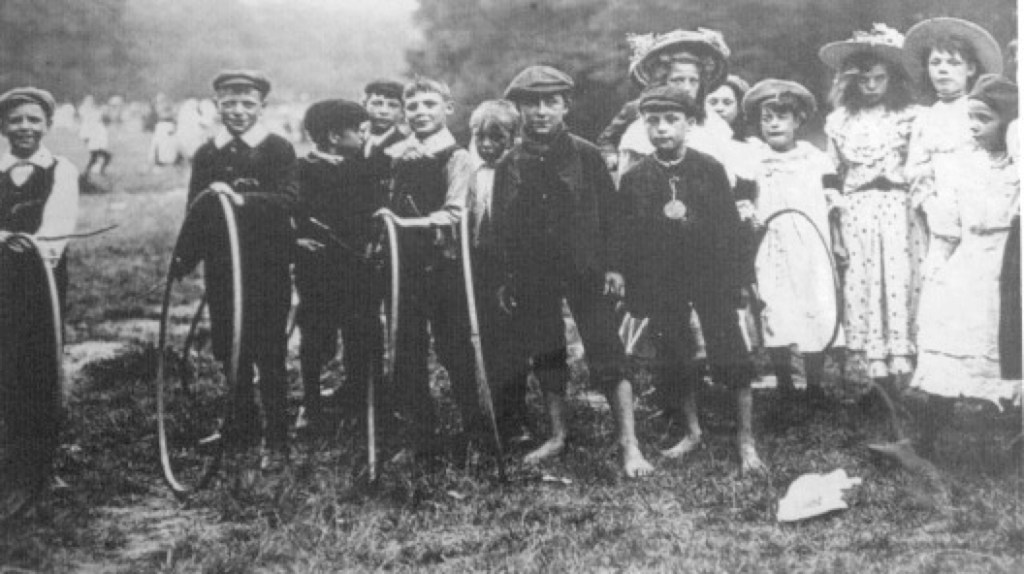
In 1937 a Keepers Cottage was completed to house a full time keeper/ forester who had been appointed to manage the woodland and enforce the bye-laws. The last keeper, appointed in 1932 until his call up for active service in 1944 was Mr Herbert J. Evans who was known for chasing children out of the woods for breaking the no cycling rule!
In 1974 Borsdane Wood became part of Wigan Metropolitan Borough Council. This marked the end of the Borsdane Joint Committee and the rate levy.
In 1986 Borsdane Wood became Wigan’s first local nature reserve (LNR). It is designated as Ancient Semi Natural Woodland.
In 2009 the Borsdane Friends Group was formed to coincide with the new management plan of Lancashire Wildlife Trust and Wigan Council.
In 2010 David Bellamy, the famous naturalist, was invited to visit Borsdane Wood to support the management plan and to plant a tree watched by local families.
In 2022 Borsdane Wood was chosen to be part of the ancient tree canopy the Queen’s Green Canopy – part of a nationwide network of 70 ancient woodlands to be dedicated to the Queen in celebration of the Platinum Jubilee.
Borsdane Wood is now managed by Wigan Council and Lancashire Wildlife Trust in partnership with our volunteer group.
The History of Rayner Park
Rayner Park is a historical park in the Wigan Borough that connects with Borsdane Wood and has various walks and paths, a children’s play area with benches, large woodland, and grassland areas suitable for picnics and ball games. Borsdane Brook flows through the park.
It was formerly called Borsdane Valley or Danes Valley. It was named Rayner Park after John Edward Rayner of Birkenhead (1851 – 1918), a Victorian colliery proprietor and coal exporter of several mines in the area including Amberswood Colliery, The land was given to Hindley Urban District Council in July 1920 by his widow Mrs Ann Alice Rayner (nee Colclough), who requested that it be named The Rayner Park and Recreation Ground.
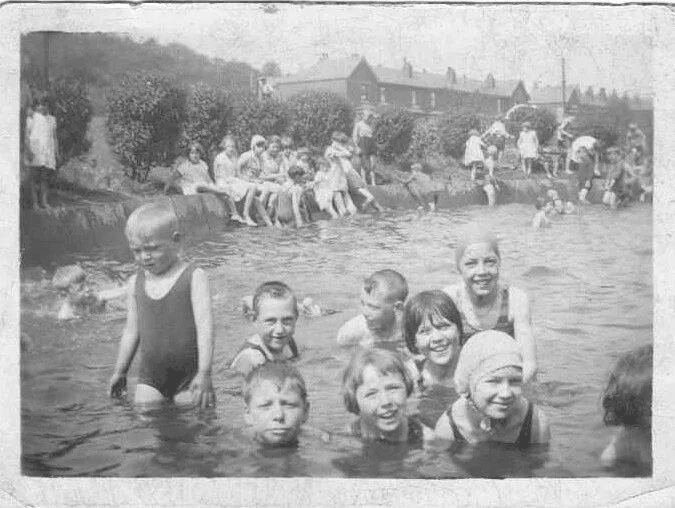
In October1921 Hindley Urban District Council applied to start the following works – foundation of walks, bridges, and a wading pool (as they called the paddling pool). At the time it was proposed to have additional items in the park, such as tennis courts, greenhouse and potting shed, refreshment room and toilets, but sadly they never happened.
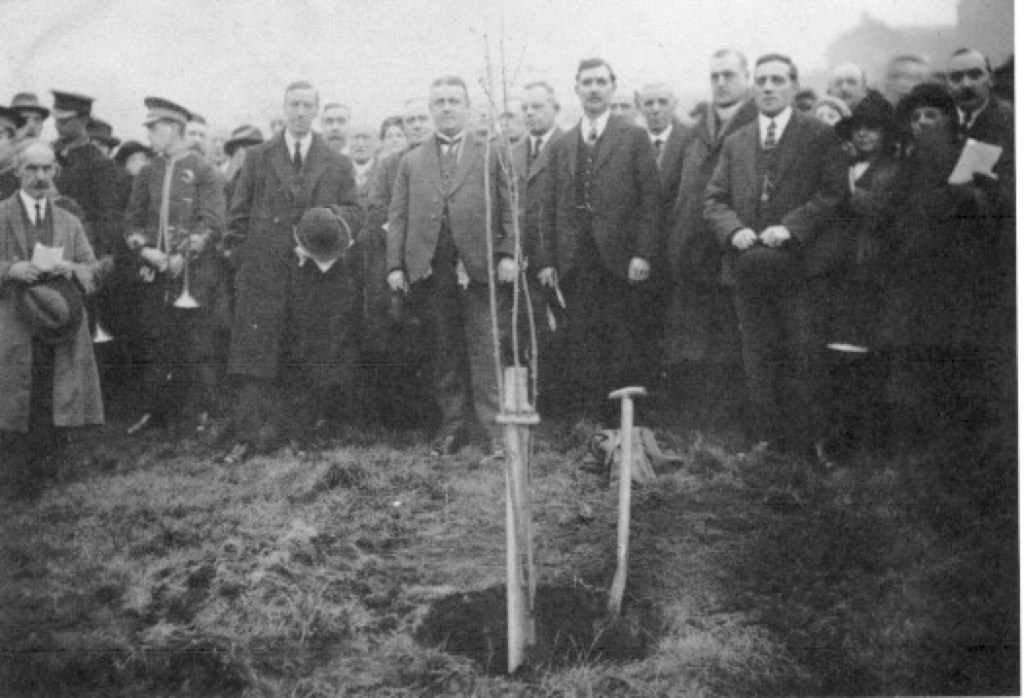
The park with very ornate flower beds was laid out by the Council under an early government unemployment scheme. On November 15th 1924 there was a public tree planting ceremony led by Councillor T Pennington, Chairman of the Parks Committee, to officially open the park, and 900 trees were planted and the area dedicated to ‘become a sylvan retreat’.
The bandstand appears to have been started around 1922 and was planned to be a raised platform, octagonal in shape with a roof supported on pillars in a horse-shoe shape, and the land opposite to be terraced for audiences. Sadly this did not happen but the roofless bandstand saw regular brass band concerts on alternate evenings in summer which were much enjoyed with people having picnics on the grass.
The paddling pool (the wading pool) was very popular from the 1920’s until the early 1960’s. It was fed by water from Borsdane Brook via sluice gates. The pool was surrounded by dahlias, and children changed into their swimwear in the privet bushes!
Sadly by the early 1960’s there were Council staffing cutbacks and a lack of investment resulting in the park losing its gardens and paddling pool, and the bandstand being demolished as unsafe.
The children’s playground used to be at the end of Danes Avenue and was moved in the mid 1960’s when the bungalows were built.
In the 1940’s there was a park keeper called Mr Smalley, who lived at Parkside.
Southam’s Nursery, famous for its prize winning Chrysanthemums, was situated where Danesbrook Close is now.
The Hole House Inn was at the Borsdane end of Danes Avenue, and was closed around 1937 and converted into 2 houses.
In 1974 the park became part of Wigan Metropolitan Borough Council.
In September 2018 Rayner Park Friends Group was formed by local community volunteers with the support of the local Councillor Paul Blay.
Hindley Mill
Nannies in Borsdane Wood
1880’s School Sports Day
Borsdane Valley
Rayner Park Tree Planting
November 1924
Rayner Park Paddling Pool
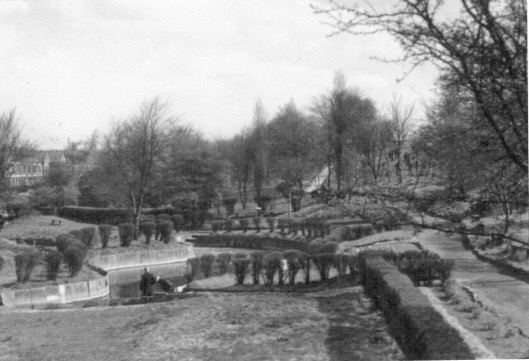
Rayner Park Paddling Pool
and gardens
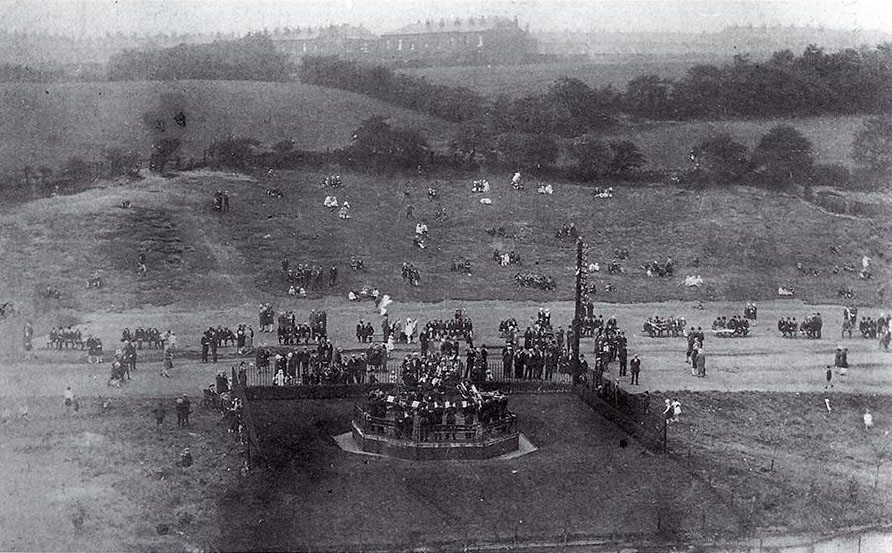
Rayner Park Bandstand 1920’s
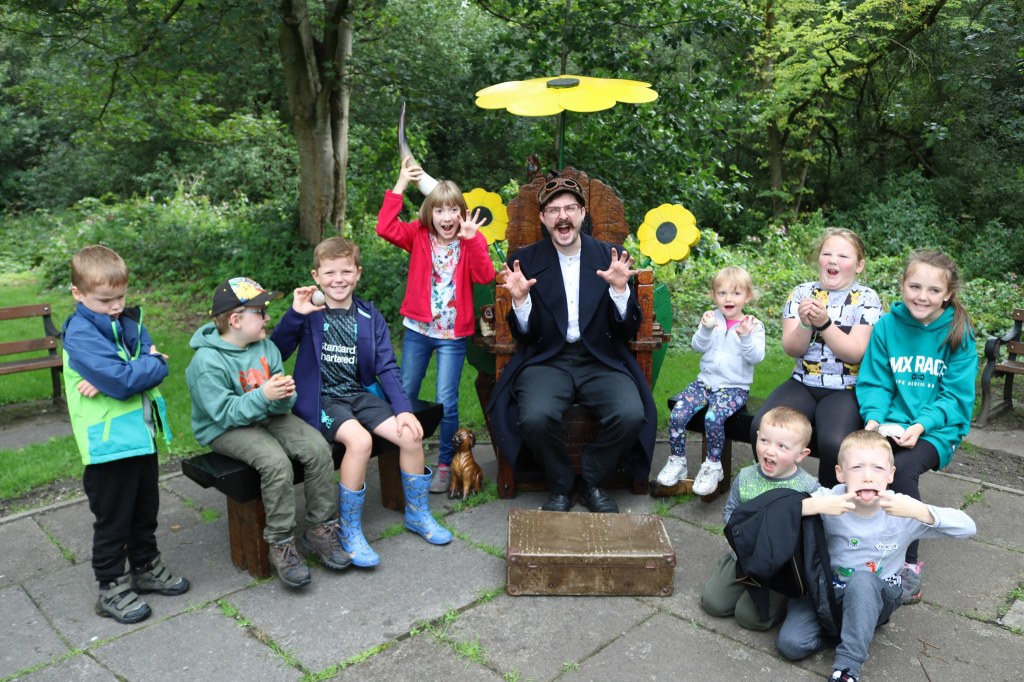
Professor Jigget in the Park
 Borsdane Wood and Rayner Park Friends Group